
Earth-Ship
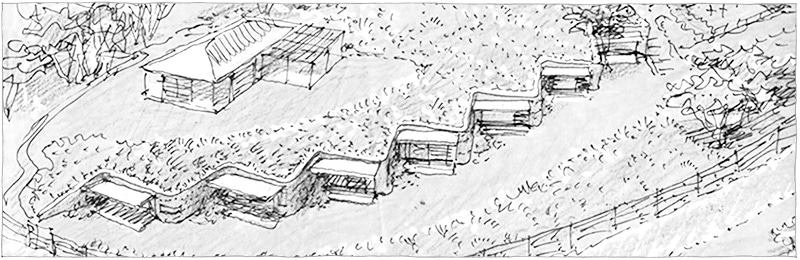
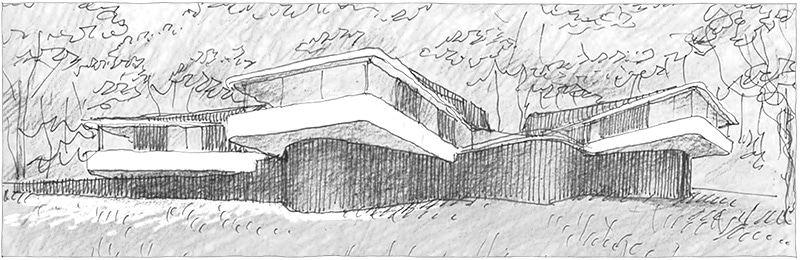
Architecturally, earthships form part of the discipline of adaptive reuse. They embrace a style of architecture developed in the late 20th century, which aims to utilise both natural and upcycled materials to create passive, sustainable, and often off-grid dwellings. Here, with Luigi Rosselli Architects’ Earth-Ship, that concept of adaptive reuse and connection to the environment is extended with the revitalisation of an existing home whose original design was akin to that of a drilling platform, hovering above, and entirely disconnected from its craggy and precipitous surroundings.
Luigi Rosselli has never much been a fan of ‘pole houses’, constructed with the intention of admiring the view from above while denying contact and symbiosis with the natural habitat the house occupies. As such, the aim with Earthship was to bring the existing two storeys of the house down to earth by adding a further two storeys below them to create a direct link to the garden.
Visitors to Earth-Ship approach from above, negotiating a steep driveway to reach a level, landscaped courtyard; an intentional resting place in contrast to the steep hill the home occupies. From there the formation of the rammed earth walls, constructed in a warm and welcoming colour reminiscent of the external walls of the famous Casa Malaparte villa – a magnificent example of an earthed structure to be found nestled amidst dramatic limestone cliffs on the island of Capri – guide guests to the front entry porch of the house.
Once inside, the visitor meets with a linear stair that cascades down to the different levels of the house. Above the stair is a deep void capped with a large skylight that allows natural light to flow down through each storey. The descent is easy and comfortable and leads first to the main living-dining-kitchen area, and then on again to the lower floors which house a guest bedroom, a sunroom, and a gym.
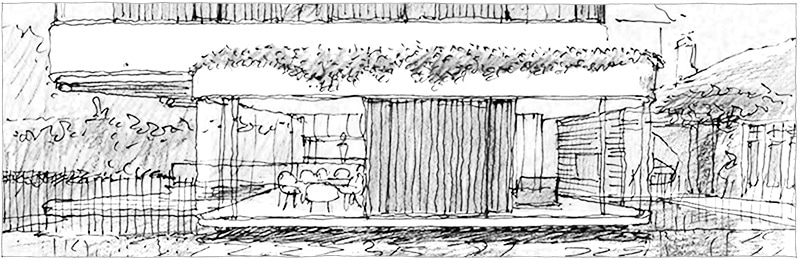
Each floor has a generous balcony; a succession of nautical-inspired tiered terrace decks, their ship-like appearance softened by tall trees and vegetation. This nautical appearance is not as pronounced as that of the Cottage Point house, Luigi Rosselli Architect’s first major project, designed and built towards the end of the 1980s, which was described as Noah’s Ark moored on the slopes of Mount Ararat. As its name suggests, Earth-Ship is more earthy that its predecessor’s nautical inspiration.
In its realisation, Earth-Ship successfully combines the tenacity of Project Architect, Nicola Ghirardi, the interior design flair of Romaine Alwill and the landscaping excellence of Will Dangar to produce a home of warmth and comfort for those who inhabit it.
Awards: Mosman Design Awards 2023, People’s Choice Award
Location: Mosman, NSW
Design Architects: Luigi Rosselli & Nicola Ghirardi
Project Architect: Nicola Ghirardi
Interior Designer: Romaine Alwill for Alwill Interiors Pty Ltd
Builder: TC Build
Rammed Earth Construction: Earth Dwellings Australia
Joiner: Corelli Joinery
Landscape Architect: Will Dangar for Dangar Barin Smith
Tiled Pool Mural: L.A.R.T
Stone Benchtops and Wall Slabs: Granite & Marble Works
Photography: Prue Ruscoe


© Prue Ruscoe
A rammed earth facade in a warm terracotta tone overlooking the water, with a curved bronze lattice screen projecting from the corner beneath the zinc roof. An olive tree and lush planting soften the edge of the building, while moored boats and wooded headlands stretch into the distance.

© Prue Ruscoe
A close view of the curved bronze lattice screen shows its finely woven metal mesh, divided into panels by slim dark frames. The screen sits against the textured rammed earth wall, with glossy green foliage in the foreground and the harbour glimpsed beyond.

© Prue Ruscoe
The cylindrical screen rises from the layered rammed earth wall to the roofline, framed by olive branches and leafy shrubs. Behind it, the water and tree covered shoreline recede into a soft, hazy sky.

© Prue Ruscoe
A sliding bronze lattice door opens at the entry, set into a rammed earth wall whose curved end softens the corner. Irregular sandstone pavers bordered by low groundcover lead across the planted courtyard, with an olive tree and spiky foxtail ferns on either side.

© Prue Ruscoe
A sculptural stair balustrade curves around the void, topped with a timber handrail and a woven cane screen below the skylight. Glass pendants hang down through the space, while carpeted stairs and travertine floors surround the descent to the living level below.

© Prue Ruscoe
Warm terracotta rammed earth, layered in soft horizontal bands, forms the backdrop to the stair. A curved balustrade is topped with a sculpted oak handrail on slender steel supports, and the timber floor is just visible below.

© Prue Ruscoe
Looking up the stair void, a cluster of frosted glass pendants hangs beneath a large oval skylight. A slender eye shaped ring surrounds the lights, and a curved oak and cane screen at the base of the void frames the view.

© Prue Ruscoe
Glass pendants of varying heights drop through the stairwell on fine cables, in front of a curved oak framed screen with a woven cane infill. A sculpted balustrade sweeps below, with the oak handrail curving around the void.

© Prue Ruscoe
From the top of the stair, the view drops through a rounded opening to the dining area below. A curved timber panel sits at the landing, beside a rammed earth wall that curves down alongside the descent. Oak treads and floorboards continue the warm palette, with a round white table and black chairs glimpsed in the distance.

© Prue Ruscoe
A straight oak stair rises towards an arched opening and a glazed door at the upper landing. Rammed earth wall runs along one side, while a glass balustrade with a timber handrail lines the other. Pendant lights glow in the arch ahead.

© Prue Ruscoe
The oak handrail curves and returns at the end of a sculpted balustrade, supported on slender steel stays. Wide oak treads with a rich, varied grain climb behind it.

© Prue Ruscoe
The sculpted stair wall curves up from rounded oak bottom step, with the handrail following its sweep. A tall wall of oak joinery with panelled doors rises beside it, with fluted glass cabinet doors, a marble splashback and an integrated oven at bench height. Warm oak flooring runs through the open living space.

© Prue Ruscoe
A curved terracotta toned wall wraps around the fireplace, contrasting with the blackened steel hood and white marble hearth. Tall oak joinery and a staircase sit alongside the fireplace, while a narrow louvred window draws natural light into the passage beyond. Glazing to the right frames views of the surrounding trees and harbour.

© Prue Ruscoe
A curved terracotta toned wall wraps around the fireplace, contrasting with the blackened steel hood and white marble hearth. Tall oak joinery and a staircase sit alongside the fireplace, while a narrow louvred window draws natural light into the passage beyond. Glazing to the right frames views of the surrounding trees and harbour.

© Prue Ruscoe
The open plan interior brings together expansive glazing, warm timber finishes and textured rammed earth. Natural light washes across the living spaces, connecting the tactile interior materials with views of the surrounding landscape.

© Prue Ruscoe
A dark timber dining table sits against warm rammed earth walls, with a marble mantel introducing a contrasting stone surface. Sheer curtains soften the daylight, while the earthy finishes and understated furnishings create an intimate dining setting.

© Prue Ruscoe
Deep toned furnishings sit against the rich, layered texture of rammed earth walls, bringing warmth and contrast to the living area. Natural materials and muted colours establish a grounded interior that complements the home's connection to its hillside setting.

© Prue Ruscoe
A comfortable sitting area combines soft furnishings, framed artwork and floral arrangements beneath gently filtered daylight. Warm, understated finishes and natural textures create a relaxed atmosphere within the home.

© Prue Ruscoe
Timber panelled cabinetry frame the living area furnished in muted grey, beige, and natural rattan tones. The cohesive material palette connects the lounge with the adjoining kitchen, creating a warm and continuous interior.

© Prue Ruscoe
Timber flooring and white kitchen cabinetry contrast with a marble island and the sculptural lines of the adjoining staircase. Clean joinery and natural finishes balances a restrained contemporary aesthetic with warmth and texture.

© Prue Ruscoe
The timber joinery features dark metal handles and a white marble benchtop, combining the grain of natural wood with the subtle veining of stone. Carefully integrated storage and clean detailing maintain a quiet, cohesive finish.

© Prue Ruscoe
A sculptural staircase brings together timber treads, metal detailing and glass, creating a light and open connection between levels. The textured rammed earth wall provides a solid, earthy counterpoint to the more refined materials.

© Prue Ruscoe
A warm toned stone bathroom features a double vanity, circular mirror and pendant lighting. Subtle variations in the stone surface and softly rounded details balance the room's clean geometry with a sense of calm.

© Prue Ruscoe
A freestanding bathtub sits against the rammed earth walls, paired with a light oak vanity and cool tone surfaces. The combination of warm colour, natural timber and simple forms gives the bathroom a soft, contemporary character.

© Prue Ruscoe
A white freestanding bathtub sits alongside a timber vanity, with exposed rammed earth bringing texture and warmth to the bathroom. Natural finishes and earthy tones connect the interior with the home's broader material palette.

© Prue Ruscoe
A streamlined timber vanity with a pale stone benchtop sits against earth-toned walls and a full length mirror. The restrained combination of natural materials and simple detailing creates a warm, understated bathroom interior.

© Prue Ruscoe
A timber poolside deck extends into lush planting, with the swimming pool overlooking the surrounding water and rolling hills. Palms and layered greenery soften the edges of the outdoor space, connecting the terraces with the natural landscape.

© Prue Ruscoe
Turquoise pool water catches filtered sunlight beside timber decking and pale stone paving. Dense planting surrounds the pool, bringing together water, natural materials and the changing light of the hillside garden.

© Prue Ruscoe
The still turquoise pool reflects the sky and surrounding trees, with a glass balustrade and terrace beyond. The open outlook connects the water's edge to the broader landscape, while the simple detailing preserves a sense of visual continuity.

© Prue Ruscoe
A rectangular turquoise pool sits beside a timber deck and light toned facade, framed by dense tropical greenery. Layered planting softens the pool's clean geometry and integrates the outdoor living area with its natural surroundings.

© Prue Ruscoe
A series of stepped terraces follows the steep hillside, with decks, projecting awnings and planted edges arranged across multiple levels. The layered composition brings outdoor spaces into closer contact with the garden, reinforcing the home's connection to the land.

© Prue Ruscoe
A bright façade emerges through mature trees and layered foliage, with planting softening the building's outline. The architecture sits quietly within the hillside setting, allowing the surrounding vegetation to remain a defining feature of the view.

© Prue Ruscoe
Viewed from above, the turquoise swimming pool sits among the dense canopy of surrounding trees. The building's horizontal terraces contrast with the vertical forms of the vegetation, creating a layered composition of architecture, water and landscape.

© Prue Ruscoe
A glazed terrace opens towards mature trees and palms beneath broad, rectangular awnings. Outdoor furnishings create a comfortable place to sit, while the generous openings bring the surrounding greenery into the space.

© Prue Ruscoe
The multi-storey dwelling steps down the hillside, combining rendered facades, horizontal timber screens and glass balustrades. Dense planting surrounds the terraces and softens the building's form, reinforcing the connection between the home's layered levels and the natural terrain.